What the procedure involves
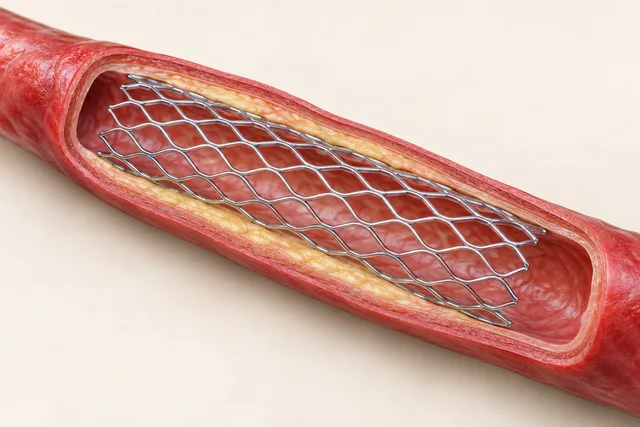
A catheter is guided to the affected coronary artery. A balloon opens the narrowed section, and a stent may be placed to help keep it open. Primary angioplasty is performed urgently when the treating team determines it is appropriate for a heart attack.
When it may be needed
A suspected heart attack requires emergency assessment, including an ECG and blood tests. The team decides on treatment from the findings and the patient’s condition. A routine appointment is not the route for urgent chest pain.
Recovery and ongoing care
Monitoring and the length of hospital stay depend on the heart attack and procedure. Ask about prescribed medicines, cardiac rehabilitation, follow-up and when to resume activities. Never stop antiplatelet medicines after a stent without speaking to your treating team.
Benefits, alternatives and risks
The aim is to restore blood supply. Treatment may also involve medicines or surgery, depending on the findings. Risks include bleeding, blood-vessel injury, contrast reactions and serious cardiac complications. Your team explains the individual balance of benefit and risk.
Discuss your options
Bring your previous reports and medicine list to a consultation. Ask how this test or procedure would help in your situation, what alternatives are available and what follow-up you may need.
General patient information, prepared from practice information and the references below. It does not replace a consultation, diagnosis or your hospital’s instructions.
New or severe chest pain, severe breathing difficulty or collapse needs immediate emergency care. Call 112 in India. Do not wait for an appointment or a message reply. Do not drive yourself.