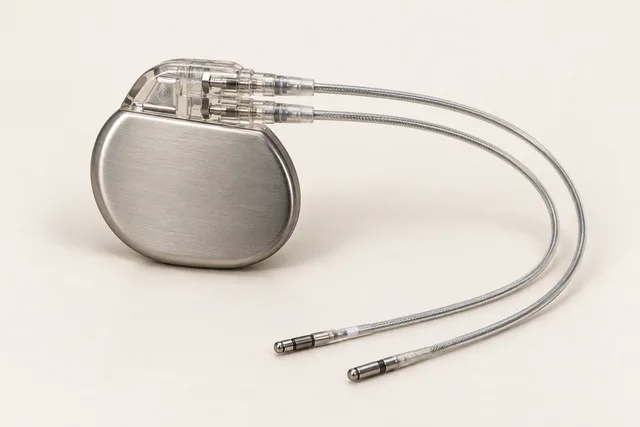
What a pacemaker does
A pacemaker is a small implanted device that sends electrical impulses to help regulate a heartbeat that is too slow. Other cardiac devices have different purposes; the type recommended depends on the diagnosis.
Before a device is recommended
Symptoms and rhythm recordings are reviewed together. Tests may include an ECG and longer-term monitoring. Not every palpitation or episode of dizziness needs a pacemaker.
Implantation and recovery
The team explains the implant, anaesthesia, wound care and activity advice. Follow the specific instructions given at discharge and keep the planned device checks.
Living with a device
Ask about your device identification card, medicines, follow-up and precautions around equipment. Risks of implantation include bleeding, infection and problems with the leads or device. Report concerning wound changes to your clinical team.
Discuss your options
Bring your previous reports and medicine list to a consultation. Ask how this test or procedure would help in your situation, what alternatives are available and what follow-up you may need.
General patient information, prepared from practice information and the references below. It does not replace a consultation, diagnosis or your hospital’s instructions.
New or severe chest pain, severe breathing difficulty or collapse needs immediate emergency care. Call 112 in India. Do not wait for an appointment or a message reply. Do not drive yourself.