Specialist heart care · Bhuj, GujaratAppointments +91 87805 76780
Tests & procedures

A normal echo with ongoing symptoms: what next?

Understanding what an echocardiogram can and cannot answer.

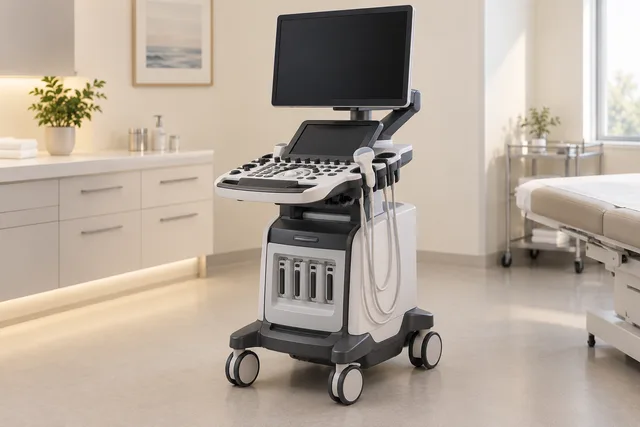
Illustrative medical equipment or procedure image
Patient education · Illustrative image
Explore this guide

What an echo looks at

An echocardiogram uses ultrasound to assess heart structures and function. It can provide useful information about valves, chambers and pumping, but it does not directly answer every question about chest symptoms or heart rhythm.

Why symptoms can continue

A test result is one part of an assessment. Intermittent rhythm problems or conditions outside the heart may require a different approach. A normal report does not mean that persistent symptoms should be ignored.

Discuss the report in context

Bring the full report to your follow-up, rather than relying on a single number. Explain whether symptoms have changed. The clinician can decide whether further evaluation is needed.

Know the next step

Ask what has been excluded, what remains uncertain and when to return. New severe chest discomfort, major breathing difficulty or collapse requires urgent care irrespective of an earlier normal test.

About this guide

General patient information, prepared from practice information and the references below. It does not replace a consultation, diagnosis or your hospital’s instructions.

For a possible medical emergency

New or severe chest pain, severe breathing difficulty or collapse needs immediate emergency care. Call 112 in India. Do not wait for an appointment or a message reply. Do not drive yourself.

Frequently asked questions

A few questions, answered.

General answers to support your discussion with the treating team.

Have another question?

Further reading: NHS: echocardiogram

Does a normal echo answer every heart-related question?

No. An echo assesses heart structure and function. Symptoms and other findings may still need review, including possible intermittent rhythm problems.

Should I ignore symptoms if the report is normal?

No. Arrange review if symptoms persist or change. Severe new symptoms need urgent care even after an earlier normal test.

What should I bring to a follow-up?

Bring the full report, previous investigations and your medicine list. Describe what has changed and ask what the next step should be.

Take the next step

A conversation about
your heart health.

Arrange a consultation to understand your symptoms, discuss your reports and plan your next steps.

Arrange a consultation
Call the clinic Book a visit